Portrait Retouching
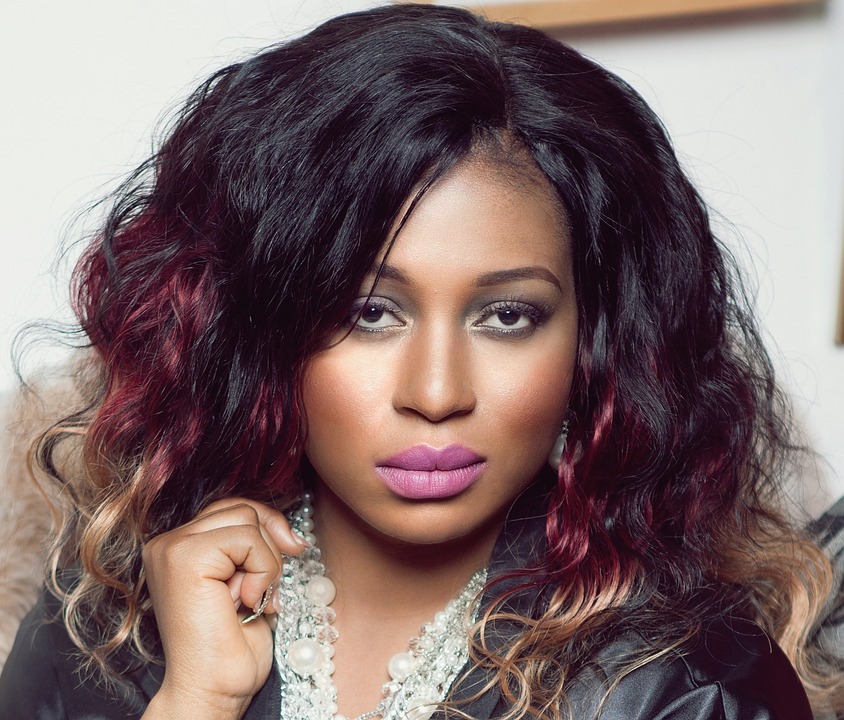
The trick with portrait retouching is not to go over the top. While it's now easier than ever to remove every wrinkle, change a subject's shape and size and remove every imperfection, the real trick is knowing when to stop.
In addition, the photographer should have posed this man to lean forward and stretch his neck up, which would have added light into his eye sockets and stretched out his chubby neck. Since he didn’t, even more work will need to be done. While there are certain skin flaws that are not noticed by the casual observer, the camera sees differently from the eye, and things people don’t ever notice are emphasized and exaggerated so they can’t NOT be noticed. Fundamental portrait retouching diminishes or removes such exaggerations, showing a view of the person that actually looks like them.
Let’s start with a basic portrait of a real person, not a film star.
Modern Lenses Are Too Sharp
It’s a portrait, not a clinical dermatology record.
When you create a portrait of someone today, every flaw, every skin defect, every imperfection can be recorded in excruciating detail. Is this what we see when we look at the person’s face? No. Human eyes are searching much more for emotion, expression and character shown in the eyes and expression than for the skin flaws.
This leads to O’Connor’s Rule of Retouching
A retouched photo should look like the person in your mind’s eye when you think of them, neither more nor less.